Regional universities have always played a vital role in shaping the economic and social mobility of their communities. They educate teachers, nurses, business leaders, healthcare professionals, public servants, and countless other professionals who keep local economies moving forward. Yet today, these institutions are being asked to do even more: meet evolving workforce demands, serve increasingly diverse student populations, and provide flexible access to education for working adults balancing careers, families, and financial responsibilities.
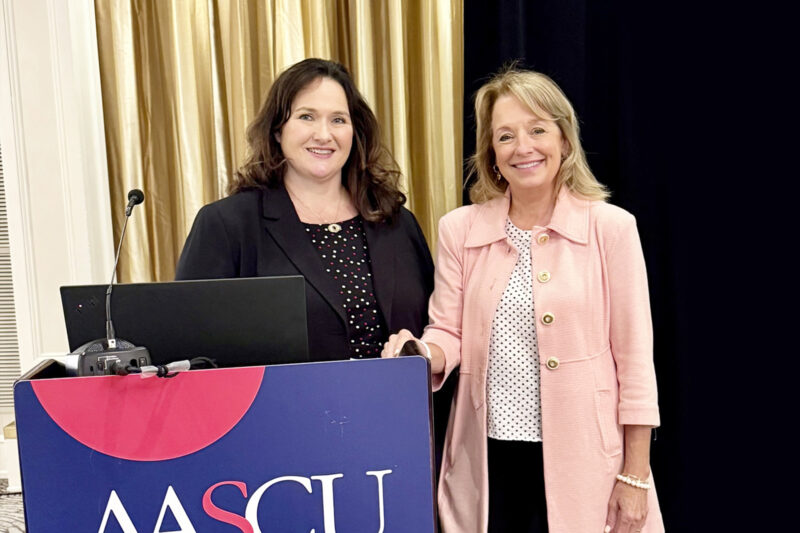
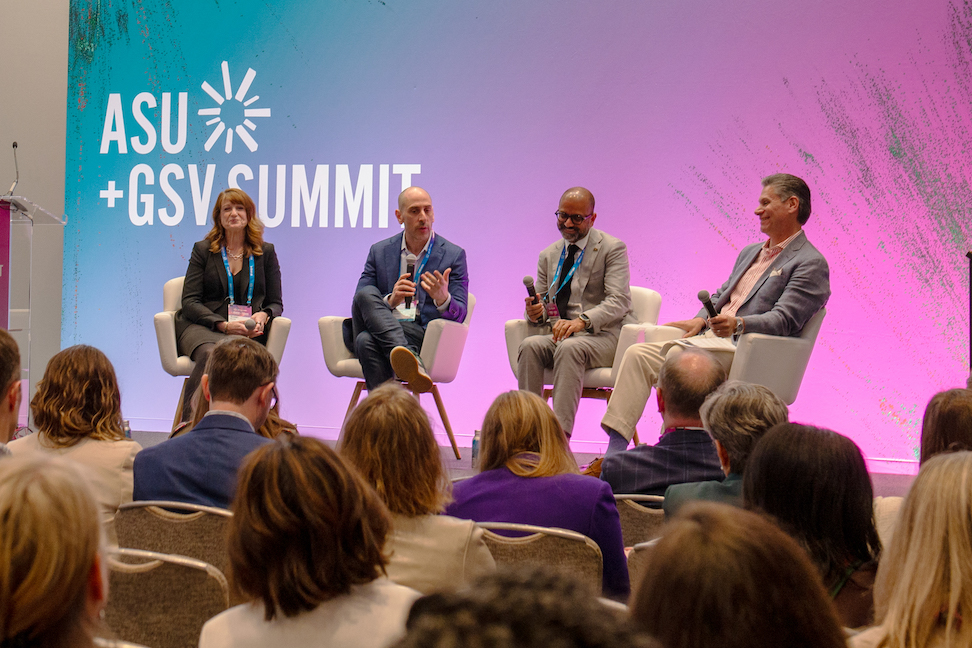
These themes were front and center during the Homegrown: How Regional Colleges Can Innovate to Serve Today’s Learner panel discussion at the ASU+GSV Summit, featuring Susan Burns, President at the University of Mount Saint Vincent (UMSV), and Dr. Thillainat “Thilla” Sivakumaran, Vice President of Texas State Global at Texas State University (TXST).
At Risepoint, we’re proud to support universities that are deeply rooted in their regions, including UMSV and TXST. Our role is not to change who these institutions are. Rather, it is to help them extend their reach, amplify their impact, and better serve learners whose lives do not fit the traditional on-campus model.
The conversation at the ASU+GSV Summit reinforced something we see every day through our university partnerships: regional institutions are uniquely positioned to drive meaningful change in their communities, especially where innovation and mission work together.
Regional universities understand their communities better than anyone
One of the strongest themes from the discussion was the unique relationship regional universities have with their communities. These institutions are closely connected to local employers, healthcare systems, school districts, and civic organizations. They understand where workforce gaps exist and where economic growth is headed.
The University of Mount Saint Vincent is an exceptional example of how regional universities provide a positive impact on their communities, even beyond the students that they educate. UMSV is one of the 40 institutions that supply the largest number of teachers to New York City Public Schools.
University of Mount Saint Vincent’s Susan Burns expressed how online learning and local partnerships have helped the university reach students outside of its traditional audience. “A little over five years ago, our total enrollment headcount was about 2,600. Today, we’re about 4,300…. The way that we have done that increased enrollment is really by asking, ‘How can we meet learners when, where, and how they need us?’…. We’ve also added partnerships that have allowed us to expand our reach in spaces and places that we wouldn’t necessarily have been otherwise.”

“The way that we have done that increased enrollment is really by asking, ‘How can we meet learners when, where, and how they need us?'”
President Burns went on to share how UMSV’s position as a regional university in New York informs how the institution supports the community’s unique workforce needs: “Our success is not only what we do alone, but with what we do in partnership with others—that other is very broadly defined. It could be a K-12 institution. It could be another institution of higher education. It could be an organization like Risepoint. It could be an Orthodox Jewish seminary in Brooklyn that is looking for someone to educate their women in a culturally sensitive way, which is one of the largest parts of our learning portfolios.”
When regional universities create programs aligned with community and workforce needs, they are not responding to abstract national trends. They are responding to real demand from local employers and learners. Whether it is preparing more nurses, expanding teacher pipelines, developing business leaders, or supporting public health initiatives, these institutions are creating pathways that directly strengthen their regions.
Expanding access without compromising quality
Another important point raised during the discussion was that online education provides access to the same high-quality education and dedicated faculty for which regional universities are known. For many learners, especially working adults, caregivers, military-affiliated students, and first-generation students, traditional campus schedules are simply not feasible. Flexible online programs can make the difference between pursuing a degree and postponing education indefinitely.
Students need programs that are affordable, relevant to workforce opportunities, and supported by strong student services. They need institutions that understand the realities of adult learners and are committed to helping them succeed from enrollment through graduation.
Instructional design for online programs at Texas State University, which, like all online programs, is owned by its faculty, prioritizes workforce relevance and high-quality education, but in a format that provides the highest return for working adults. During the panel, Dr. Sivakumaran shared:
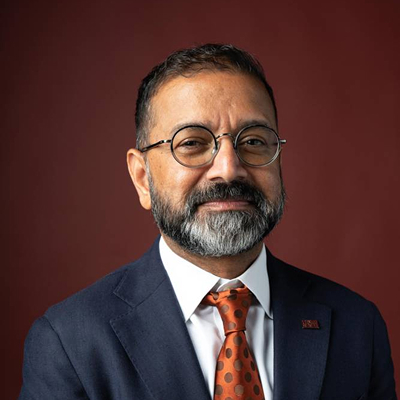
“Most of my undergraduate students are employed, they have a full-time or part-time job, and they need a bachelor’s degree to move up in their career ladder. We try to tie everything back to the job that they have, so they can move up.”
This is where regional universities are especially powerful. These institutions have long-standing missions centered on accessibility, affordability, and community advancement. Online education allows them to extend that mission to learners who might otherwise be left behind.
Workforce-relevant education must be a priority
Throughout the panel discussion, there was a clear understanding that higher education must continue evolving to meet workforce realities.
Today’s learners are highly focused on earning a positive return on their investment in education. They want programs that prepare them for career advancement, skill development, and long-term economic mobility. Employers, meanwhile, are looking for graduates who are ready to contribute immediately to rapidly changing industries.
Regional universities are uniquely equipped to bridge this gap because they are already embedded within their local workforce ecosystems.
The impact of this work extends far beyond an individual student. When a working adult earns a degree online while remaining in their community, the benefits impact a wide array of areas within the community, including local employers, families, and the overall regional economy. The ripple effects of making education more accessible are profound and long-lasting.
Innovation should strengthen institutional mission
One of the most compelling takeaways from the discussion was the idea that innovation and institutional mission are not opposing forces. In fact, when approached thoughtfully, innovation can strengthen and extend an institution’s purpose.
Dr. Sivakumaran connected technology and innovative partnerships to an improved learning experience for students at regional universities: “What we’re really looking for in a partner is to bring us innovative ideas… to help the students learn better.”
Technology, online learning, and strategic partnerships are more than tools to expand; they are strategic mechanisms that help universities fulfill their core purpose more effectively.
The future belongs to community-centered institutions
As higher education continues to evolve, regional universities will remain among the most important drivers of opportunity and workforce development in the country. These institutions understand their communities and learners, which makes them uniquely positioned to create meaningful educational pathways that improve lives and strengthen local economies.
The panel discussion reinforced a powerful truth: when regional universities combine their mission-driven leadership with innovative approaches to online education, they can dramatically expand access and impact, bringing the future to the many.