Office Hours: Q&A with Dr. Kakoli Bandyopadhyay, Professor of MIS at Lamar University
ByRisepoint Staff|
The Office Hours series brings together faculty from Risepoint-supported partner universities to share their expertise, challenges, and successes in online learning.
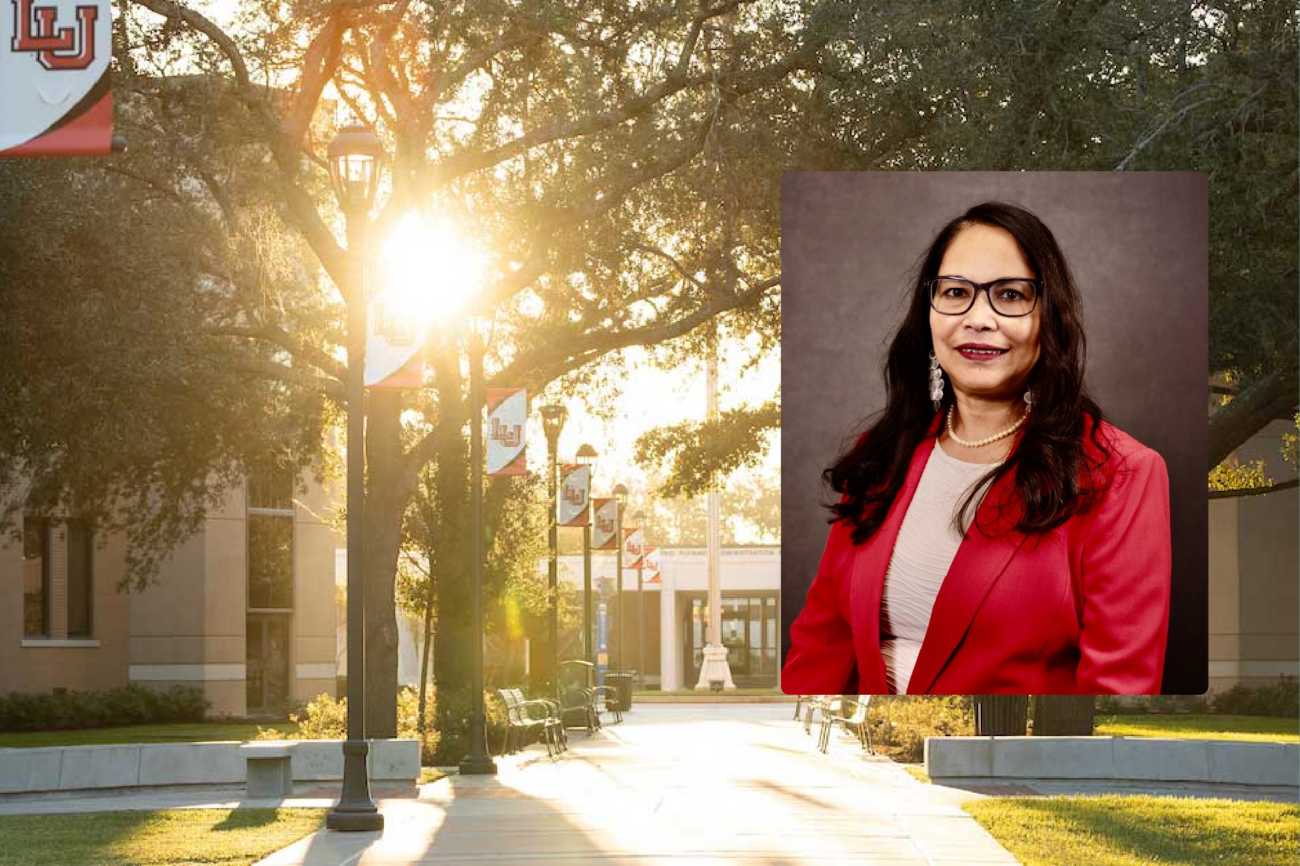
In this installment, Dr. Kakoli Bandyopadhyay, Professor of Management Information Systems (MIS) in the Department of Information Systems at Lamar University’s College of Business, reflects on what it takes to create an online learning environment where students can succeed—from keeping curriculum current in a rapidly changing field to pairing academic rigor with flexibility, practical support, and meaningful faculty engagement.
Dr. Bandyopadhyay has held an administrative leadership role at Lamar since 2008, including leading the Department of Information Systems as chair through May 2026. She has also taught online for more than a decade. Building on her extensive experience in teaching online, Dr. Bandyopadhyay recently published research on student retention and success in online information systems education. This research continues to shape how she designs and teaches her courses.
Q&A with Dr. Kakoli Bandyopadhyay
As you reflect on your time as a leader at Lamar University, what have you enjoyed most about the experience?
What I have enjoyed most along the way is seeing both people and programs grow.
Information Systems is a field that never stands still. Technology changes rapidly, and I have always found it exciting to build and strengthen programs that are current, relevant, and responsive to the needs of the job market. Whether it meant developing a new degree or concentration, incorporating emerging technologies into the curriculum, or redesigning courses to reflect changes in the profession, my goal has always been the same: to give our students the knowledge and practical skills that will help them build successful careers.
I have especially enjoyed working with faculty to create academically strong programs that also respond to what employers are looking for. For me, program development has never simply been about adding courses or degrees; it has been about creating opportunities for students.
The most rewarding part, however, has always been watching our students grow. Many students enter the program uncertain about where they fit or what career path they want to pursue. Seeing them graduate with confidence, strong technical and analytical skills, and a clear sense of direction is tremendously gratifying. When former students contact me years later to share a promotion, a new position, or simply tell me that something they learned at Lamar helped them professionally, those are the moments that have made my years in academic leadership especially meaningful.
“For me, program development has never simply been about adding courses or degrees; it has been about creating opportunities for students.”
How did you get started in online teaching, and how has your approach evolved, particularly as technology in your field has changed so quickly?
I have been teaching online since 2015—more than 10 years now. My philosophy, however, has remained consistent: students learn technology by using it. An online student should not receive a less applied education simply because the student is not physically sitting in a computer lab. My goal has been to use technology itself to bring that laboratory experience to the online student.
How does teaching a hands-on, technical discipline, like MIS online compare to teaching it in person? What have you learned about replicating the in-person experience virtually?
I always provide online students with walk-through videos. My main goal is removing stress — students learn much better when the stress is taken out of the class. Always provide walk-through videos and outside help for installing software or even working with the software. Give them extra resources for training with the software.
Could you share a story with us about a student whose career was meaningfully shaped through Lamar’s online MIS program?
I have a former BBA in MIS student whose career journey is a great example of the value of online education. After earning his BBA, he spent about ten years working for a small online apparel company. He later decided that he wanted to advance his career, so he returned to Lamar and completed the MS in MIS entirely online. Today, he works at ExxonMobil as a Plant Information Engineer.
His story illustrates what I believe is one of the greatest strengths of online programs: they allow working professionals to continue their education without putting their careers and lives on hold. For someone who wants to gain new skills, increase their qualifications, and move up the corporate ladder, a strong online program can provide an excellent pathway to the next level.
“[Online programs] allow working professionals to continue their education without putting their careers and lives on hold.”
From your perspective, what does it take to deliver a data analytics program that remains relevant in a fast-changing industry while preparing working professionals for career advancement?
The key words here are the changing curricula. A curriculum that was excellent a few years ago is obsolete today. We started our MS in MIS with 10-12 courses. Now we have 20 courses to choose from. Also, all courses have been updated and current. The curriculum is the first thing; the right curriculum will bring in interested students.
Your recent published research focuses on student retention and success in online information systems education. How does that work shape your approach to teaching and designing learning experiences for your students?
My research and teaching have always informed each other. Research on online student success reinforces something I have observed throughout my teaching career: access to an online course is not the same as creating an environment in which an online student can succeed.
What do you believe are the essential ingredients of a successful online course?
I believe one of the most important ingredients of a successful online course is creating a healthy, supportive, and low-stress learning environment. Students learn better when they are not overwhelmed by unnecessary stress. I try to avoid creating anxiety through overly rigid deadlines or a punitive atmosphere. Students have jobs, families, and unexpected circumstances, and reasonable flexibility can make a tremendous difference. If students are stressed about the course from the first day, their attention shifts from learning to simply surviving the class.
“Students have jobs, families, and unexpected circumstances, and reasonable flexibility can make a tremendous difference.”
I also believe strongly in keeping the classroom calm and minimizing conflict. One unhappy interaction can negatively affect the atmosphere of an entire class. As the instructor, I try to de-escalate problems early, keep animosity to a minimum, and bring the focus back to learning.
Students should see the professor as someone who genuinely wants them to learn and succeed, while still maintaining appropriate academic standards. I want students to feel comfortable asking questions and admitting when they do not understand something. Particularly in a technical discipline such as MIS, students can easily lose confidence when they struggle with software or assignments. A supportive response can encourage them to keep trying rather than give up.
Finally, I believe we should provide additional help when students need it. That might mean meeting with a student online, providing step-by-step walkthrough videos, answering emails with patience and useful guidance, or, when resources permit, assigning a graduate assistant to work with students who need additional technical support. The objective is not to make the course easier; it is to remove unnecessary barriers so students can concentrate on mastering the material.
For me, a successful online course combines academic rigor with flexibility, patience, accessibility, and encouragement. I want to maintain high expectations while keeping morale high. When students believe that their professor is on their side and wants them to succeed, they are more willing to ask questions, take intellectual risks, work through difficult material, and ultimately learn.
Our experienced team is just a click away to answer any questions, respond to requests for RFP submissions, or even help with a complimentary market assessment. Tell us how we can help and a member of our team will be in touch.