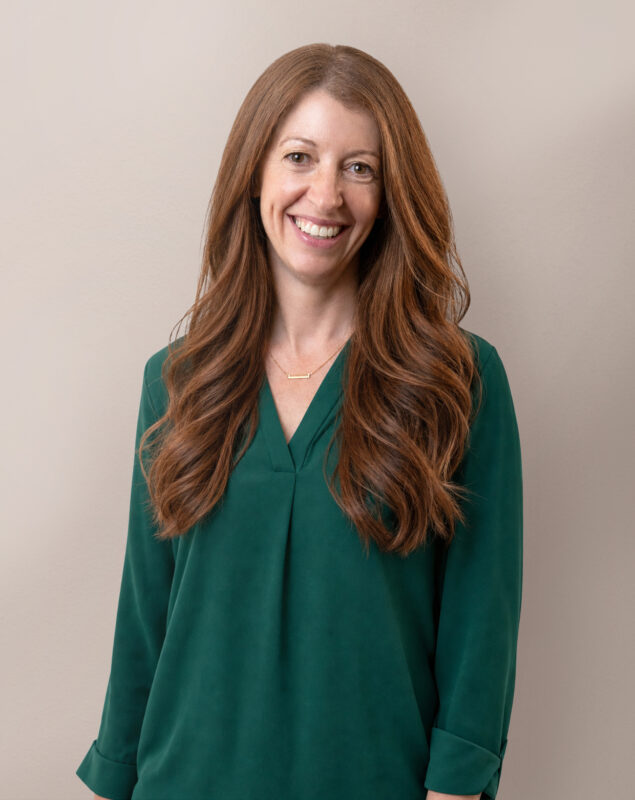
Melanie Oberman
Melanie Oberman is the Chief People Officer at Risepoint, where she leads the People function and partners with leaders across the organization to connect business strategy with people, culture, and organizational performance. She is passionate about building high-performing teams and creating environments where people feel valued, connected to the mission, and empowered to do their best work.
Melanie brings more than 15 years of experience building and leading People teams, primarily in high-growth technology companies. Most recently, she served as Chief People Officer at Contentsquare, where she led the People function for a global organization of approximately 1,600 employees across more than 50 countries. Previously, she held People leadership roles at Heap, Jetblack (a Walmart portfolio company), and Greenhouse, and began her career in consulting at Booz Allen Hamilton and Deloitte, focused on organizational transformation and change management. Throughout her career, she has helped organizations scale, navigate acquisitions and integrations, develop leaders and teams, and evolve their cultures and ways of working.
A double Duke University alum and lifelong learner, Melanie is a big Duke basketball fan. Outside of work, her favorite role is being mom to Emma and Daniel. She loves spending time with her family, traveling, playing tennis, running, being outdoors, hosting friends and family, and bringing people together.
What traits do you admire in a leader?
What are your core values?
Family is my foundation and my greatest source of joy. Ownership means taking responsibility, following through on commitments, and focusing on outcomes. A growth mindset means staying curious, seeking feedback, and always looking for ways to learn and get better. And kindness means treating people with care and respect, especially when navigating difficult conversations or change.
What is your Risepoint moment?
As part of the class, two classmates and I developed the idea for the Durham Giving Project, based on the concept of a giving circle. With the support of our professor and Duke’s community affairs team, we turned that idea into a real, for-credit course. Students learned about the Durham community, raised money together, and then had the responsibility of deciding how to invest those funds in local nonprofit organizations where they could make a meaningful difference.
It was one of the first times I experienced the power of bringing people together around a shared purpose and seeing an idea turn into something that had a tangible impact on others. What makes it especially meaningful to me is that the course still lives on at Duke today, more than 20 years later, with new generations of students learning, giving back, and carrying it forward.
That experience shaped how I think about leadership and has stayed with me throughout my career. It taught me that the most meaningful impact is not just what you accomplish yourself, but what you create that empowers others to lead and carry it forward. It also showed me firsthand how one educational experience can change how you see yourself and what you believe is possible.